©JKScatena Photography
Fine Art & Stock Photography showing the World from a Unique perspective
London: Royal Festival Hall, fountain
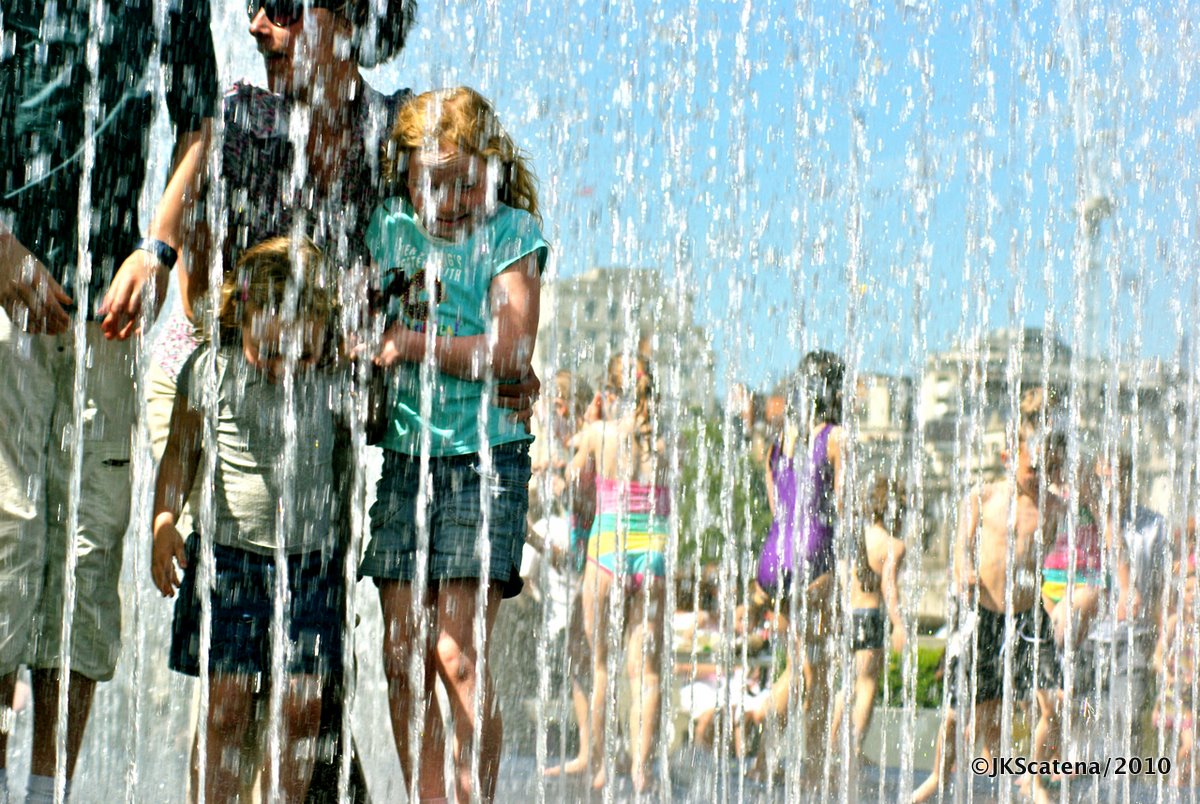
The Royal Festival Hall is a 2,900-seat concert, dance and talks venue within Southbank Centre in London. It is situated on the South Bank of the River Thames, not far from Hungerford Bridge. It is a Grade I listed building – the first post-war building to become so protected (in April 1988).
The foundation stone was laid in 1949 by Clement Attlee, then Prime Minister, on the site of the former Lion Brewery, built in 1837.
The Walking through the Appearing Rooms fountain installation, by Danish artist Jeppe Hein, was set outside the RFH during reopening celebrations after 2007 refurbishment
Source: Wikipedia
Share this:

London: Dean’s Yard, Vintage

Dean’s Yard, Westminster, comprises most of the remaining precincts of the former monastery of Westminster, not occupied by the Abbey buildings.
Until the seventeenth century the Green was a third of its present size, since to the south stood the Queen’s Scholars’ dormitory, which was in monastic times the granary
At it’s North side, there is the archway to the Great Sanctuary, Abbey offices and part of the Deanery.
Source: Wikipedia
Share this:

London: District Line, Green

The District line is a line of the London Underground, coloured green on the Tube map. It is a “sub-surface” line, running through the central area in shallow cut-and-cover tunnels. It is the busiest of the sub-surface lines and the third busiest overall on the Underground network.
The District line was built by the Metropolitan District Railway (MDR) and opened in stages from 1868.
Source: Wikipedia.
Share this:

London: Richard Lionheart, snow

Richard I (8 September 1157 – 6 April 1199) was King of England from 6 July 1189 until his death.
He was known as Cœur de Lion, or Richard the Lionheart, even before his accession, because of his reputation as a great military leader and warrior.
His statue, by Carlo Marochetti, stands outside the Palace of Westminster.
Source: Wikipedia
Share this:

London: Richard Lionheart
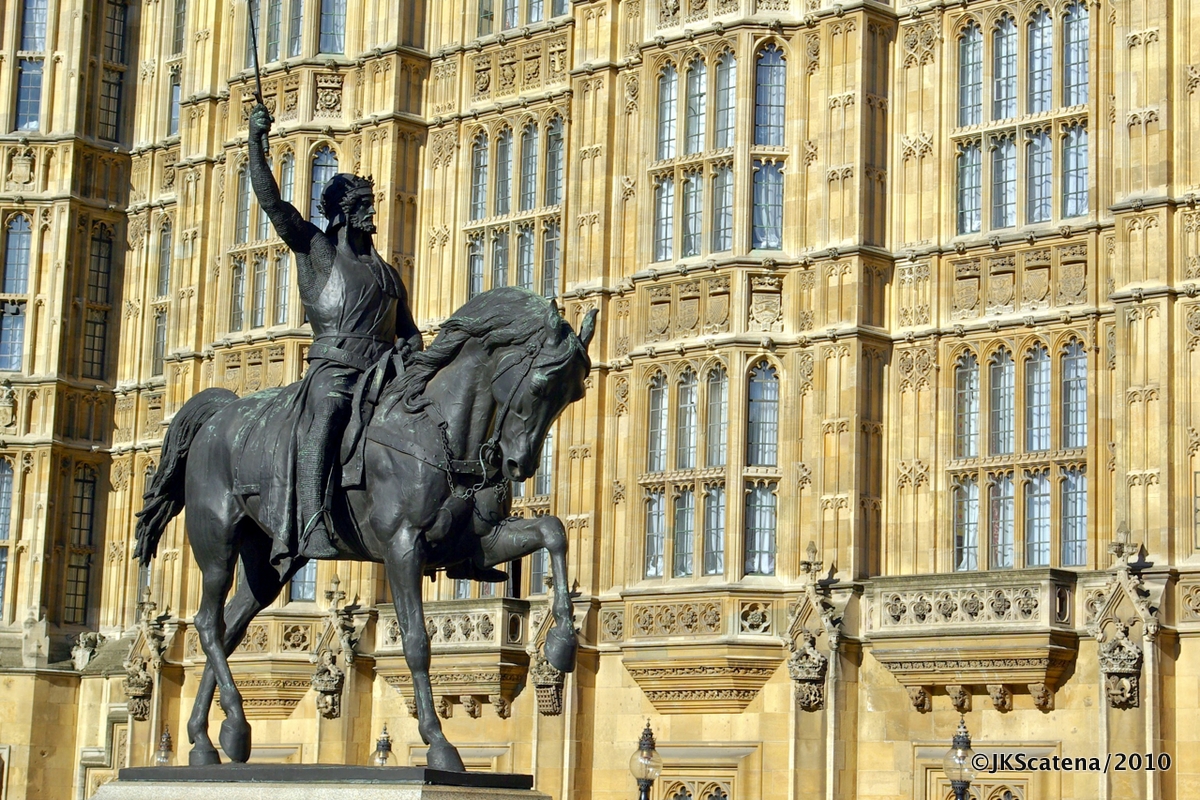
Richard I (8 September 1157 – 6 April 1199) was King of England from 6 July 1189 until his death.
He was known as Cœur de Lion, or Richard the Lionheart, even before his accession, because of his reputation as a great military leader and warrior.
His statue, by Carlo Marochetti, stands outside the Palace of Westminster.
Source: Wikipedia
Share this:

London: White City bound, Red

White City is a district in the London Borough of Hammersmith and Fulham, to the north of Shepherd’s Bush.
The area now called White City was level arable farmfields until 1908, when it was used as the site of the Franco-British Exhibition and the 1908 Summer Olympics.
Source: Wikipedia
Share this:

London: Night Shot, City & St Paul’s
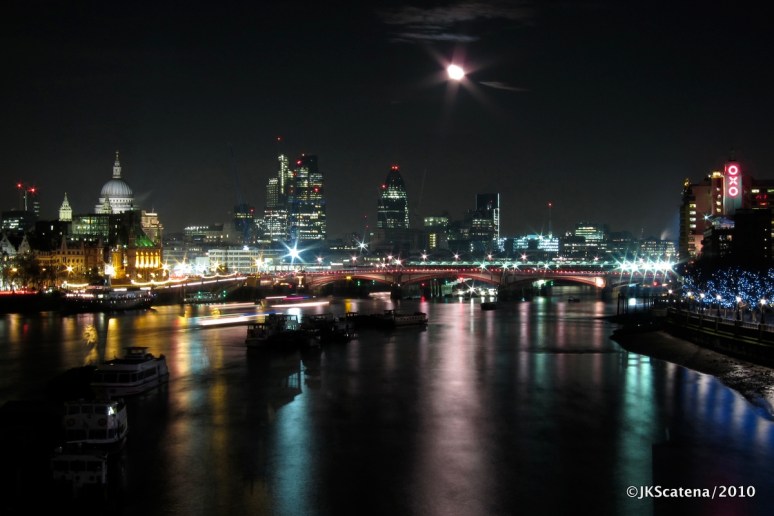
Despite its long history, London does not have a massive number of skyscrapers. This is due to strict regulations on building heights to preserve its protected views, especially those of St Paul’s Cathedral, the Tower of London and Westminster Palace.
On this picture you can clearly see St Paul’s Cathedral cupola (111 m high, the tallest building until 1939), St Mary Axe (The Gherkin, the 5th tallest today, 180m) and the OXO Tower.
Source: Wikipedia
Para adquirir uma cópia impressa desta foto, série limitada a 50 cópias, clique aqui: © JKScatena Photography << Serie10
Share this:

London: Tower Bridge, vintage
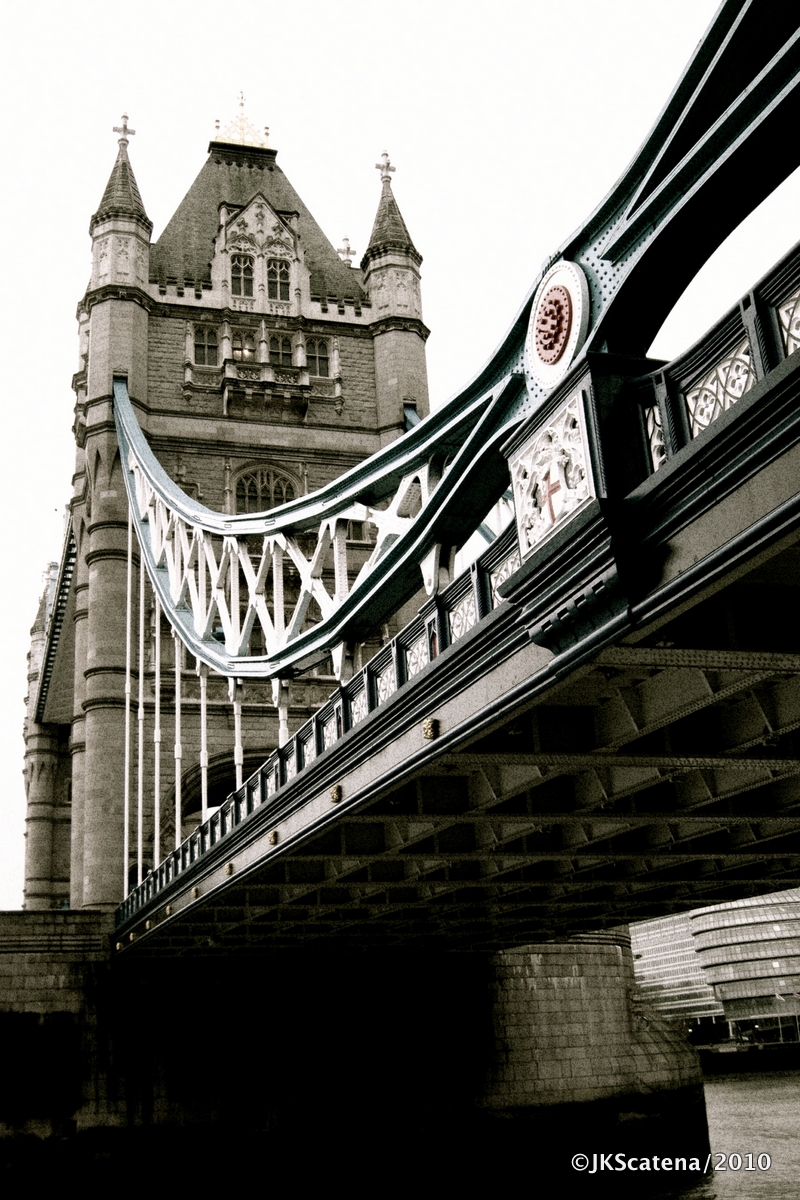
A vintage coloured shot from this beautiful London’s bridge.
Para adquirir uma cópia impressa desta foto, série limitada a 50 cópias, clique aqui: © JKScatena Photography << Serie10
Share this:

London: Autumn leaves, Red
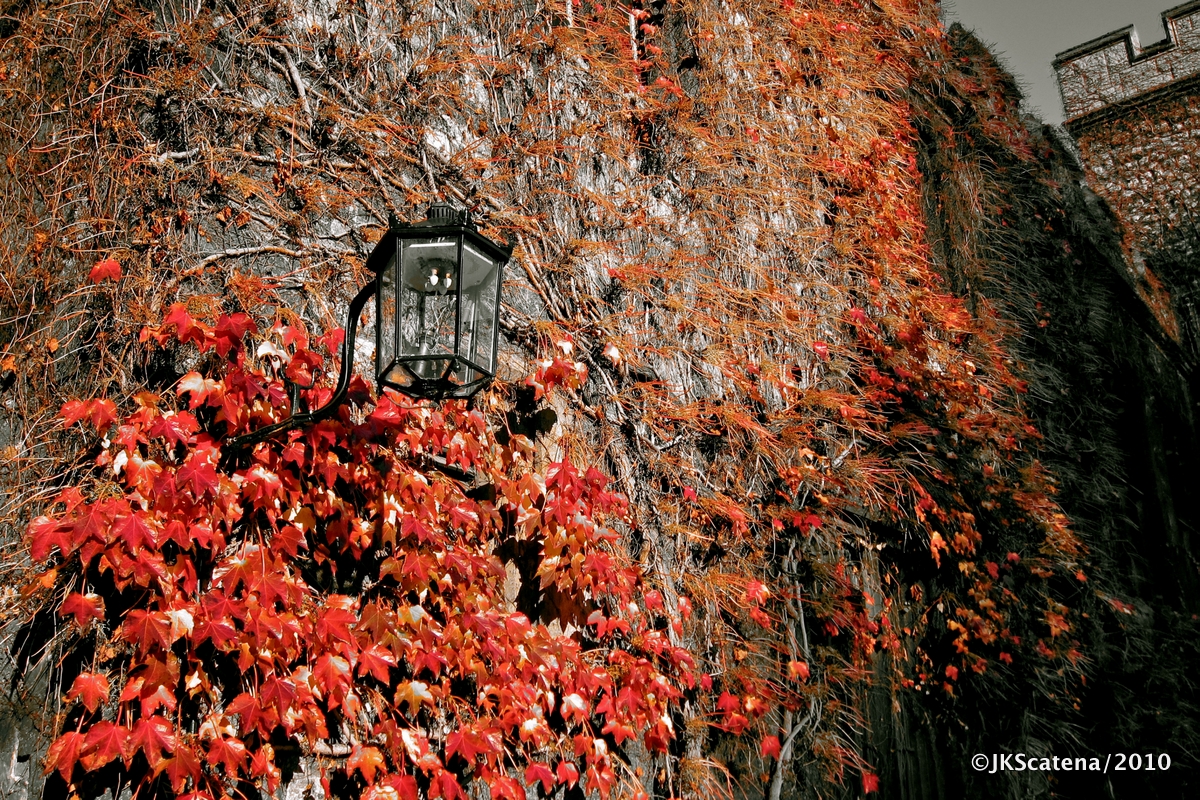
A Colourplay photo.
Para adquirir uma cópia impressa desta foto, série limitada a 50 cópias, clique aqui: © JKScatena Photography << Serie10
Share this:

Genève: FunfAir, 2

During the Fetes de Genève a huge funfair is set around the Lac Leman.
More about Genève and the Fetes de Genève on my travel blog – ©JKScatena >> Genéve – (via Google Translate)
Para adquirir uma cópia impressa desta foto, série limitada a 50 cópias, clique aqui: © JKScatena Photography << Serie10
Share this:

-
Flickr Photos
Credits

This work by ©JKScatena Photography is licensed under a Creative Commons Attribution-NonCommercial-ShareAlike 3.0 Unported License.
If you use any of the photographs, please credit me with authorship and link back to this photoblog. Thanks.




Listed


 ©JKScatena Photography