©JKScatena Photography
Fine Art & Stock Photography showing the World from a Unique perspective
Modica: Chiesa di San Pietro
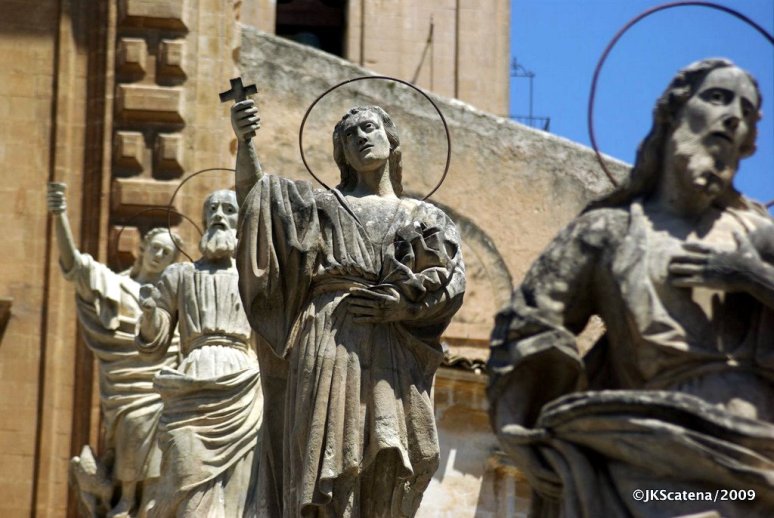
Modica: Chiesa di San Pietro
Despite being ravaged by earthquakes in 1613 and 1693 and floods in 1833 and 1902, Modica has maintained some of the most beautiful architecture in Sicily, in the Sicilian Baroque style.
More about Modica and Sicily on my travel blog – “The small Taormina, The beautiful and hot Sicily” (translated via Google Translate)
Share this:

Modica: Chiesa di San Giorgio

Modica: Chiesa di San Giorgio
An extraordinary and unique product from this small place is the famous chocolate of Modica, produced with an ancient and original Aztec recipe.
Modica entered the UNESCO World Heritage Site in 2002.
More about Modica and Sicily on my travel blog – “The small Taormina, The beautiful and hot Sicily” (via Google Translate)
Share this:

Taormina: Piazza IX Aprile
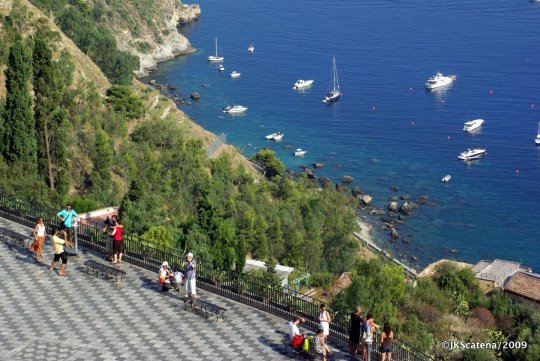
Taormina has been a very popular tourist destination since the 19th century. It has beautiful beaches accessible via an aerial tramway on the Ionian sea, which is remarkably warm and has a high salt content.
More about Taormina and Sicily on my travel blog – “The small Taormina, The beautiful and hot Sicily” (translated via Google Translate)
Share this:

Taormina: Mazzaró
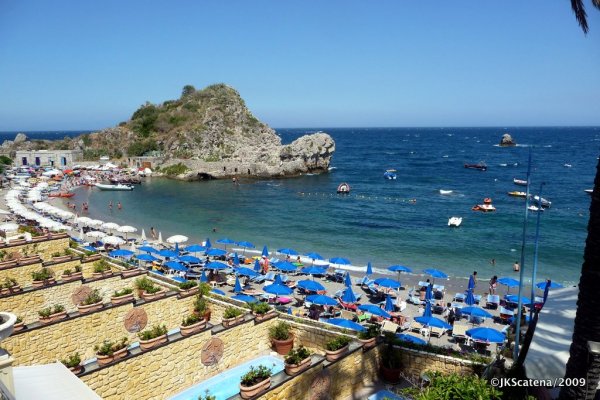
Taormina: Mazzaro
Mazzaró is one of Taormina’s beaches, accessible via an aerial tramway, on the Ionian sea, which is remarkably warm and has a high salt content
More about Taormina and Sicily on my travel blog – “The small Taormina, The beautiful and hot Sicily” (translated via Google Translate)
Share this:

Oslo: Architecture (Opera House)
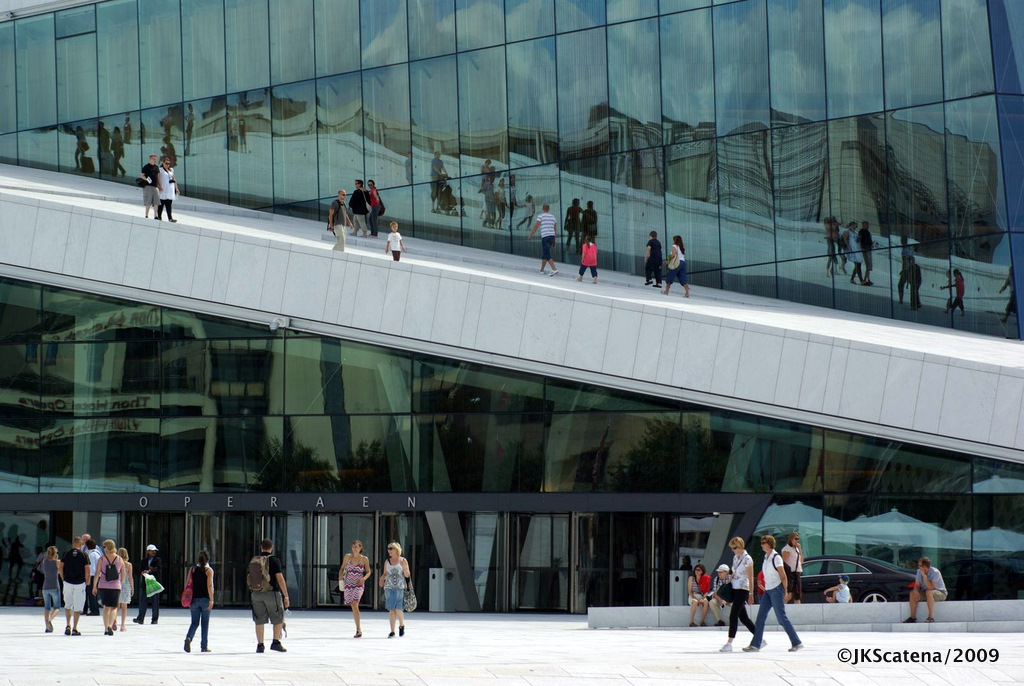
Oslo is the cultural, scientific, economic and governmental centre of Norway. The city is also a hub of Norwegian trade, banking, industry and shipping.
More about Oslo on my travel blog ©JKScatena: “Oslo spending only a few crowns” (translated via Google Translate)
Share this:

Oslo: National Opera

Norway’s Opera House took five years to complete and sits on the bank of the Bjørvika district, near the stock exchange and the central station.
More about Oslo on my travel blog ©JKScatena: “Oslo spending only a few crowns” (translated via Google Translate)
Share this:

Oslo: Vigelandsparken, Overview

Frogner Park is a large park located a few minutes walk away from the city centre. This is the biggest and most reputed park in Norway with a large collection of sculptures of Gustav Vigeland.
More about Oslo on my travel blog ©JKScatena: “Oslo spending only a few crowns” (via Google Translate)
Share this:

Oslo: Vigelandsparken, Sculptures

Between 1924 and 1944, Gustav Vigeland was devoted to the project of an open exhibition of his works, which later turned into what is universally known as Vigeland Park. The park covers 80 acres (320,000 m2) and features 212 bronze and granite sculptures.
More about Oslo on my travel blog ©JKScatena: “Oslo spending only a few crowns” (via Google Translate)
Share this:

Oslo: Vigelandsparken, Monolith

The Vigeland Park covers 80 acres (320,000 m2) and features 212 bronze and granite sculptures designed by Gustav Vigeland. The sculptures culminate in the famous Monolith (Monolitten), with its 121 figures struggling to reach the top of the sculpture.
More about Oslo on my travel blog ©JKScatena: “Oslo spending only a few crowns” (via Google Translate)
Share this:

Amsterdam: Tram @ Reguliersbreestraat

Share this:

-
Flickr Photos
Credits

This work by ©JKScatena Photography is licensed under a Creative Commons Attribution-NonCommercial-ShareAlike 3.0 Unported License.
If you use any of the photographs, please credit me with authorship and link back to this photoblog. Thanks.




Listed


 ©JKScatena Photography